Picking Trees in Colorado: Understanding Native Trees, Urban Forests, and Smart Planting Choices
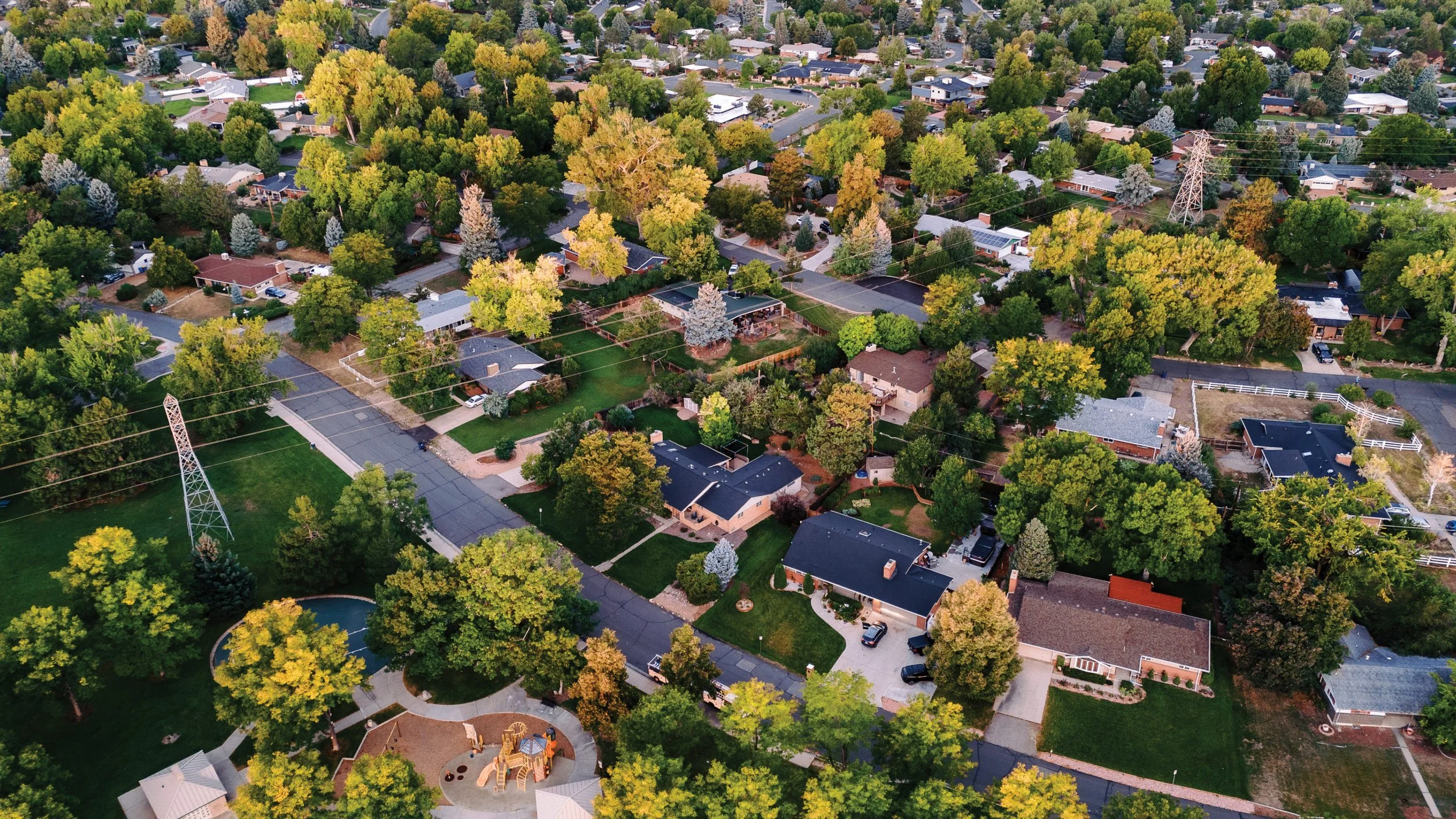
Planting a tree is one of the best investments you can make in your property and in Colorado’s environment. But choosing the right tree requires understanding how trees grow in our unique climate and how different species interact with the local ecosystem.
In Colorado—especially along the Front Range—terms like native, non-native, and invasive are often used when discussing landscaping and tree planting. Knowing what these terms mean can help homeowners make better decisions that benefit both their property and Denver’s growing urban forest.
What Does “Native” Mean?
In horticulture and landscaping, the term native refers to plants that historically existed in a particular region. Some definitions go even further, referring specifically to species that existed in North America before European colonization.
Native plants evolved alongside local wildlife, soil conditions, and climate patterns. Because of this long-term adaptation, they typically:
Require less water and maintenance
Support local wildlife and pollinators
Contribute to biodiversity
Form beneficial relationships with local soils and microorganisms
However, Colorado’s landscape—particularly around Denver—creates an interesting challenge when planting trees.
Why Denver’s Urban Forest Uses Many Non-Native Trees
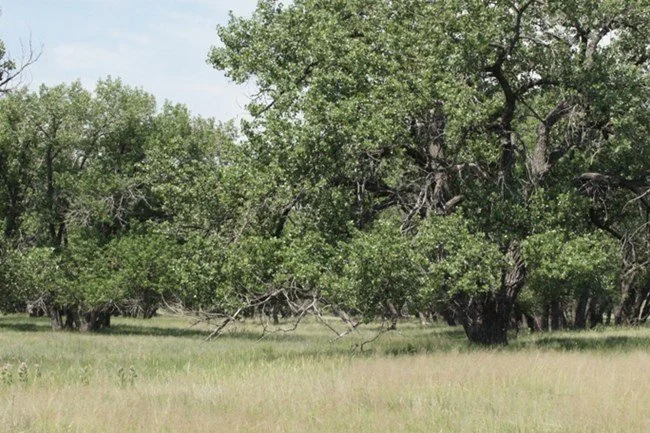
Denver sits in a semi-arid high-plains environment, where historically there were relatively few trees outside of waterways.
Before large-scale planting projects, the region’s trees were mostly:
Cottonwoods
Willows
These species typically grow along rivers and streams and are not always ideal for urban settings due to their size, water needs, and root systems.
To build the urban canopy we see today, city planners and arborists rely heavily on non-native tree species that tolerate:
Dry conditions
Compact urban soils
Road salt
Extreme temperature swings
Many of the trees lining Denver’s streets and neighborhoods today—such as Kentucky Coffeetrees, Honeylocusts, and Catalpas—are non-native but well adapted to city environments.
When Non-Native Plants Become a Problem
Not all introduced plants behave well in their new environments. Some species spread aggressively and begin to displace native vegetation, damaging ecosystems and waterways.
These are considered invasive species, and many are discouraged—or even banned—from planting.
Common Invasive Trees to Avoid in Colorado
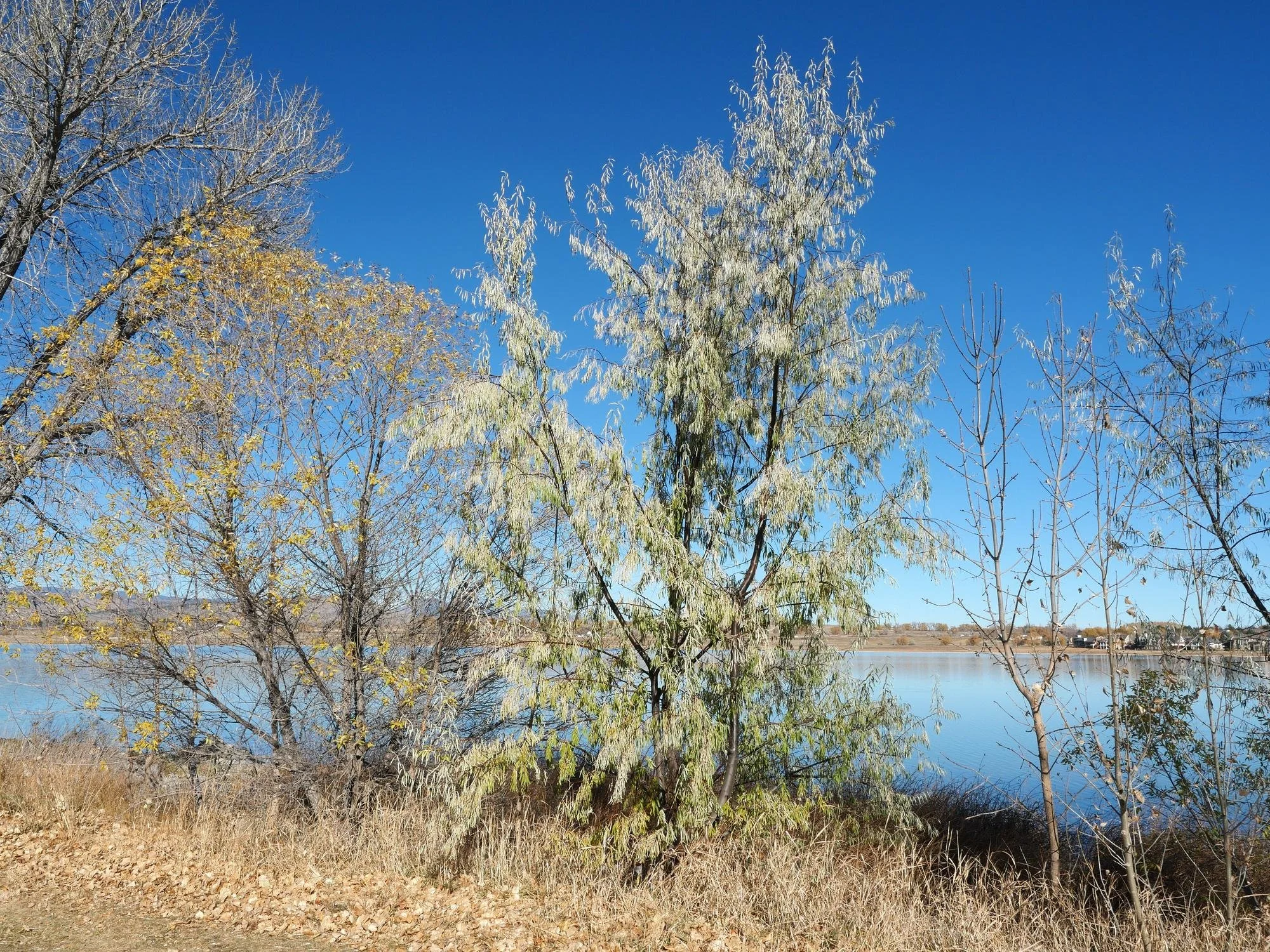
Russian Olive (Elaeagnus angustifolia)
Highly invasive near rivers and waterways and banned in many areas.Tree of Heaven (Ailanthus altissima)
Extremely fast-growing, spreads through root suckers, and has a strong odor.Siberian Elm (Ulmus pumila)
Weak wood, spreads rapidly through seed, and creates maintenance issues.Tamarisk / Salt Cedar (Tamarix spp.)
Uses excessive water and damages riparian ecosystems.Hybrid Willows (Austrees)
Known for aggressive roots that can damage foundations and plumbing.
Invasive Ornamentals and Landscaping Plants
Some plants commonly used in landscaping may also spread aggressively.
Examples include:
Baby’s Breath (Gypsophila paniculata)
Listed on Colorado watch lists for invasive weeds.Yellow Toadflax (Linaria vulgaris)
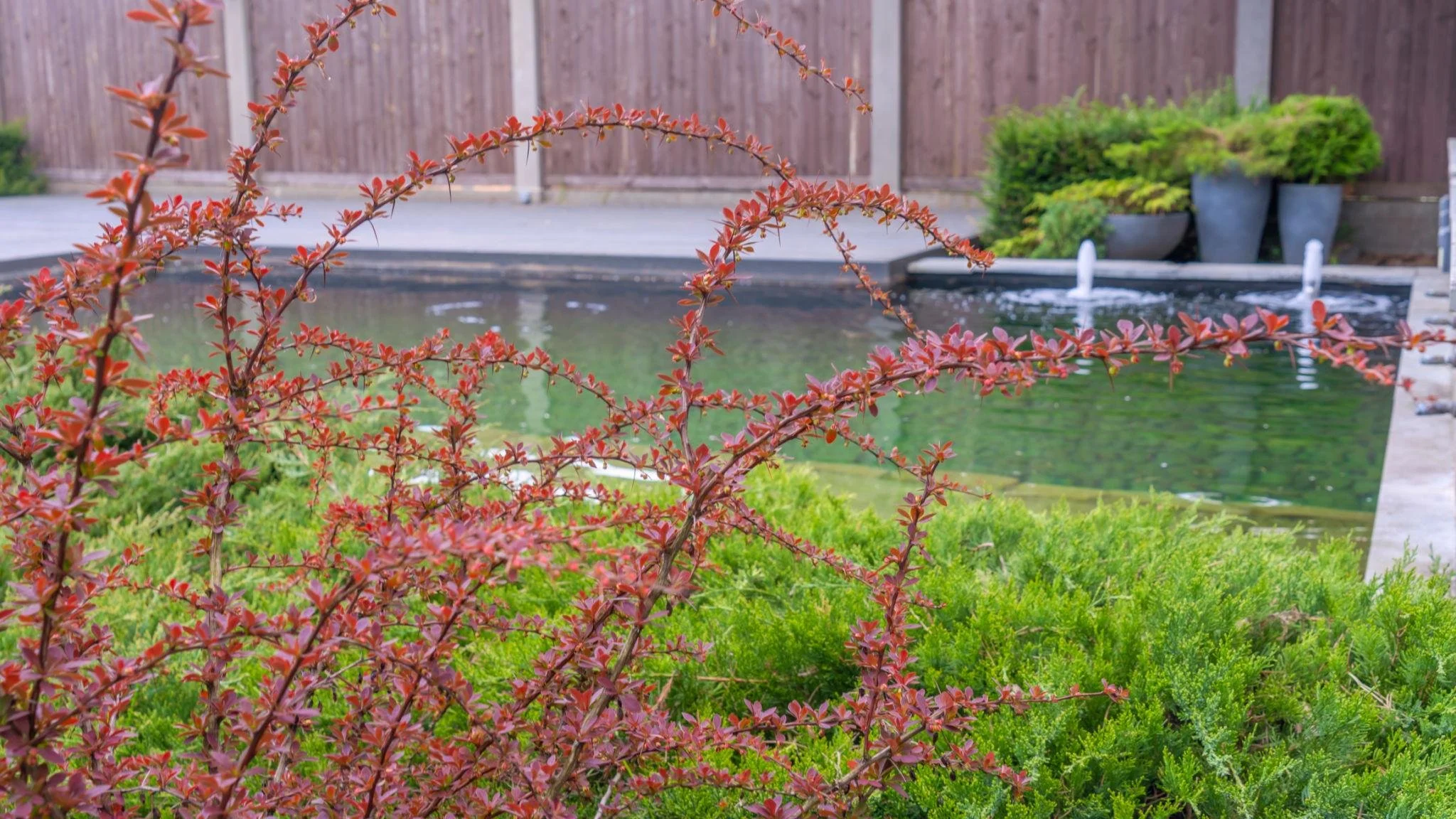
Spreads aggressively through roots and seeds.Japanese Barberry (Berberis thunbergii)
Popular shrub but considered invasive in many regions.Karl Foerster Feather Reed Grass (Calamagrostis acutiflora)
Non-native ornamental grass widely used in landscapes.Blue Mist Spirea (Caryopteris clandonensis)
A common xeriscaping perennial.
While not all of these plants are harmful everywhere, it’s important to research species before planting.
Understanding Tree Establishment
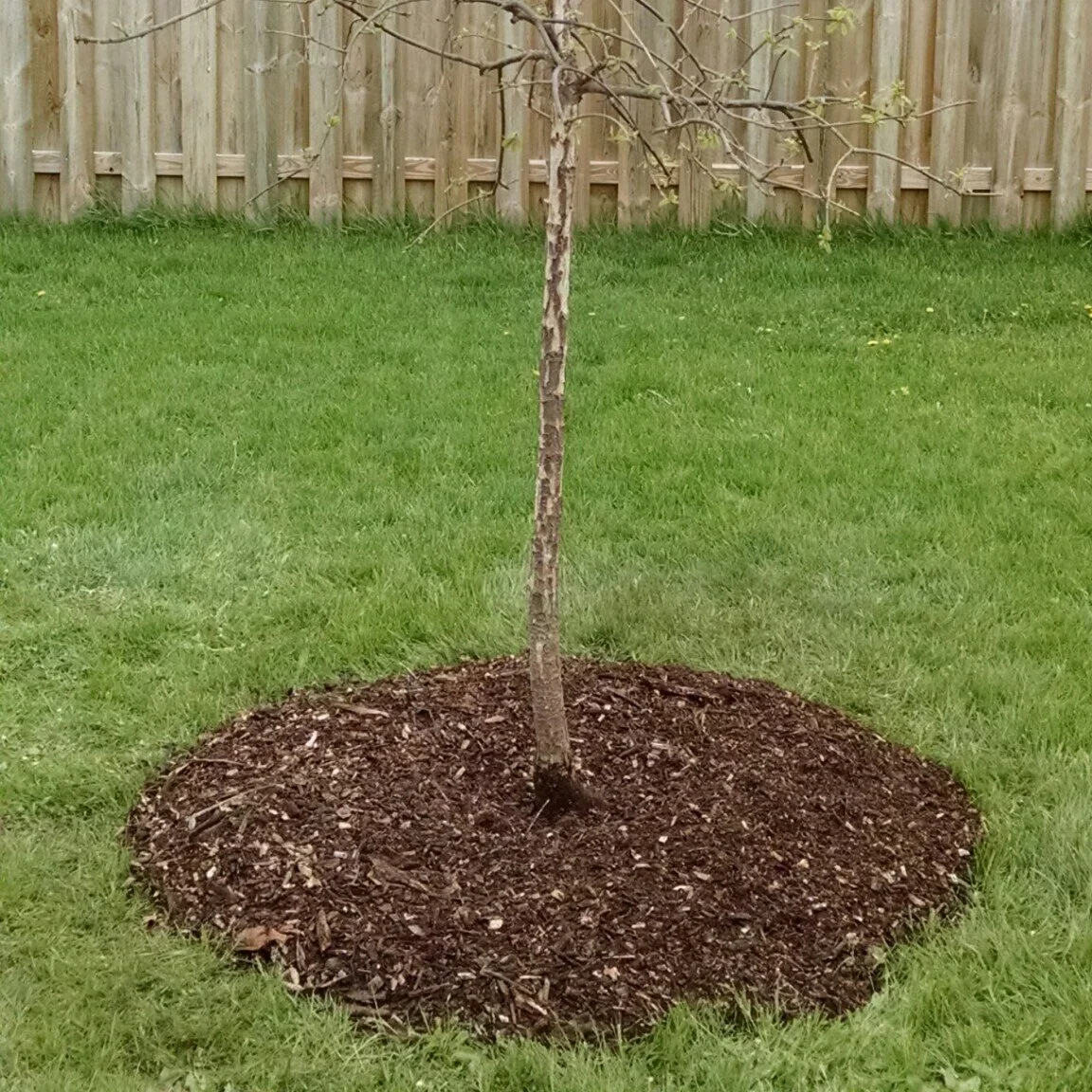
A common misconception is that trees grow quickly after planting. In reality, newly planted trees spend most of their energy developing their root systems first.
This phase is called establishment.
During establishment:
Root systems expand into surrounding soil
The tree adapts to light, water, and soil conditions
Above-ground growth is minimal
Because of this, newly planted trees are especially vulnerable to stress, including:
Drought
Poor soil conditions
Improper watering
Heat or cold damage
A general rule arborists use:
Trees require about 1–2 years per inch of trunk caliper to become established.
For example:
A 1.5–2 inch tree may take 2–3 years to establish.
During this time, proper care is critical.
Tips for Helping New Trees Thrive
Water regularly, especially during dry periods
Add mulch around the base (but not against the trunk)
Avoid damaging roots with lawn equipment
Monitor for pests and disease
Once established, trees will begin putting more energy into canopy growth and trunk expansion.
How Fast Do Trees Grow in Colorado?
In ideal conditions, many trees can grow:
1–2 feet in height per year
About 1 inch in trunk diameter annually
However, Colorado rarely offers perfect growing conditions. Trees here must contend with:
Poor clay soils
Rapid temperature swings
Dry air and limited rainfall
Intense sun and wind
Even when growth appears slow, your tree is actively working underground—absorbing nutrients, storing carbon, and supporting the surrounding ecosystem.
Choosing the Right Tree for Your Yard
Selecting the right tree depends on your goals and your property’s conditions.
Consider What You Value Most
Shade
Choose large canopy trees such as Honeylocust, Elm varieties, or Maple cultivars.
Aesthetics
Flowering trees like Crabapple or Catalpa add seasonal beauty.
Wildlife Support
Look for trees that produce flowers or fruit to support pollinators and birds.
Xeriscaping
Drought-tolerant species like Hackberry or Kentucky Coffeetree perform well.
Limited Space
Smaller ornamental trees are better suited for tight areas.
Site Conditions Matter
Before planting, consider:
Sunlight exposure
Soil type
Irrigation availability
Distance from homes and structures
Overhead power lines
Tree diversity in the neighborhood
These factors all influence whether a tree will thrive or struggle.
The Golden Rule of Tree Planting
Professional arborists often repeat one simple phrase:
“Right tree, right place.”
Choosing the right species for your yard—and giving it proper care during establishment—can mean the difference between a tree that struggles and one that thrives for decades.
At Wild Man’s Tree Service, we help homeowners select, plant, and maintain trees that work with Colorado’s challenging climate while enhancing property value, shade, and beauty.
A healthy tree planted today can provide shade, cleaner air, wildlife habitat, and energy savings for generations.
Need help selecting or planting a tree?
Wild Man’s Tree Service is here to help you choose the right tree for your property and ensure it thrives in Colorado’s unique environment. 🌳