A Wild Man’s Guide To Winter Time Pruning
When the leaves are gone and the air turns crisp, most homeowners assume yard work is officially “done” until spring. But winter is actually one of the best times of year to prune trees and shrubs—when it’s done correctly.
Winter pruning, especially in late winter (February–March), helps promote stronger spring growth, improves structure, and reduces disease risk. It’s also the time when trees are dormant, meaning they can handle pruning with less stress and bounce back better when warm weather returns.
If you’re wondering what to prune, when to prune, or how to avoid damaging your plants, this guide covers it all.
Why Prune in Late Winter or Early Spring?
In temperate climates, winter dormancy is nature’s “pause button.” Trees and shrubs temporarily stop active growth and conserve energy for spring. Because of this, late winter and early spring pruning is ideal for many species, and here’s why:
1. Stronger, healthier growth in spring
Pruning before spring growth begins helps the plant focus energy on producing new, healthy branches instead of trying to support weak or damaged ones.
2. Easier recovery
Dormant plants recover more efficiently from pruning cuts, which is important for plant health and flower production later in the year.
3. Better visibility
With no foliage in the way, you can clearly see the plant’s true structure, making it easier to identify problem limbs and shape the plant properly.
4. Reduced disease risk
Many pests and diseases are inactive in winter, so pruning now can reduce the risk of spreading infection.
When to Prune (The “When”)
Timing matters. Pruning at the right time can make a tree thrive — pruning at the wrong time can weaken it, reduce blooming, or cause injury.
Ideal Timing: Late Winter (Feb–Mar)
For most deciduous trees (trees that lose their leaves) and summer-flowering shrubs, the best time is:
After the coldest part of winter
Before buds swell and new growth begins
⚠️ Important Winter Exception
Avoid pruning during deep freezes, especially when temperatures remain extremely low for extended periods. This can lead to brittle wood and increase the chance of damage or splitting.
The Big Exception: Spring-Flowering Shrubs
Not every plant wants winter pruning. Some shrubs bloom on old wood—meaning the flower buds were formed the previous year.
If you prune them in late winter, you might remove the flower buds before they ever bloom.
Prune AFTER Blooming (Late Spring / Early Summer)
Examples of spring-flowering shrubs that should be pruned after flowering include:
Lilacs
Azaleas
Forsythia
Rhododendron
Mock orange
Mophead hydrangea
Wisteria
Weigela
Viburnum
Mountain laurel
Oakleaf hydrangea
✅ Best practice: Prune right after flowers fade
What to Prune (The “What”)
Winter pruning isn’t about hacking things back. It’s about targeted improvements—removing what weakens the plant and encouraging healthy structure.
Step 1: Remove the “3 D’s”
Always start by removing:
Dead branches
Diseased wood
Damaged or broken limbs
This instantly improves safety and plant health.
Step 2: Thin overcrowded growth
Overgrown branches reduce airflow and light penetration, which can lead to disease. Thinning improves:
Air circulation
Sunlight exposure
Overall tree strength
Step 3: Improve structure
For long-term growth and safety, pruning should encourage good structure, including:
A single dominant central leader (main top stem)
Strong, evenly spaced branches
Removal of weak “V-shaped” junctions or crossing limbs
Fruit Tree & Berry Note
If you grow fruit or berry plants, winter pruning can improve productivity.
Berry bushes: reduce cane numbers
Blackberries: trim laterals and remove extra canes
How to Prune (The “How”)
Pruning the right way makes all the difference. Incorrect cuts can lead to decay, weak regrowth, and long-term damage.
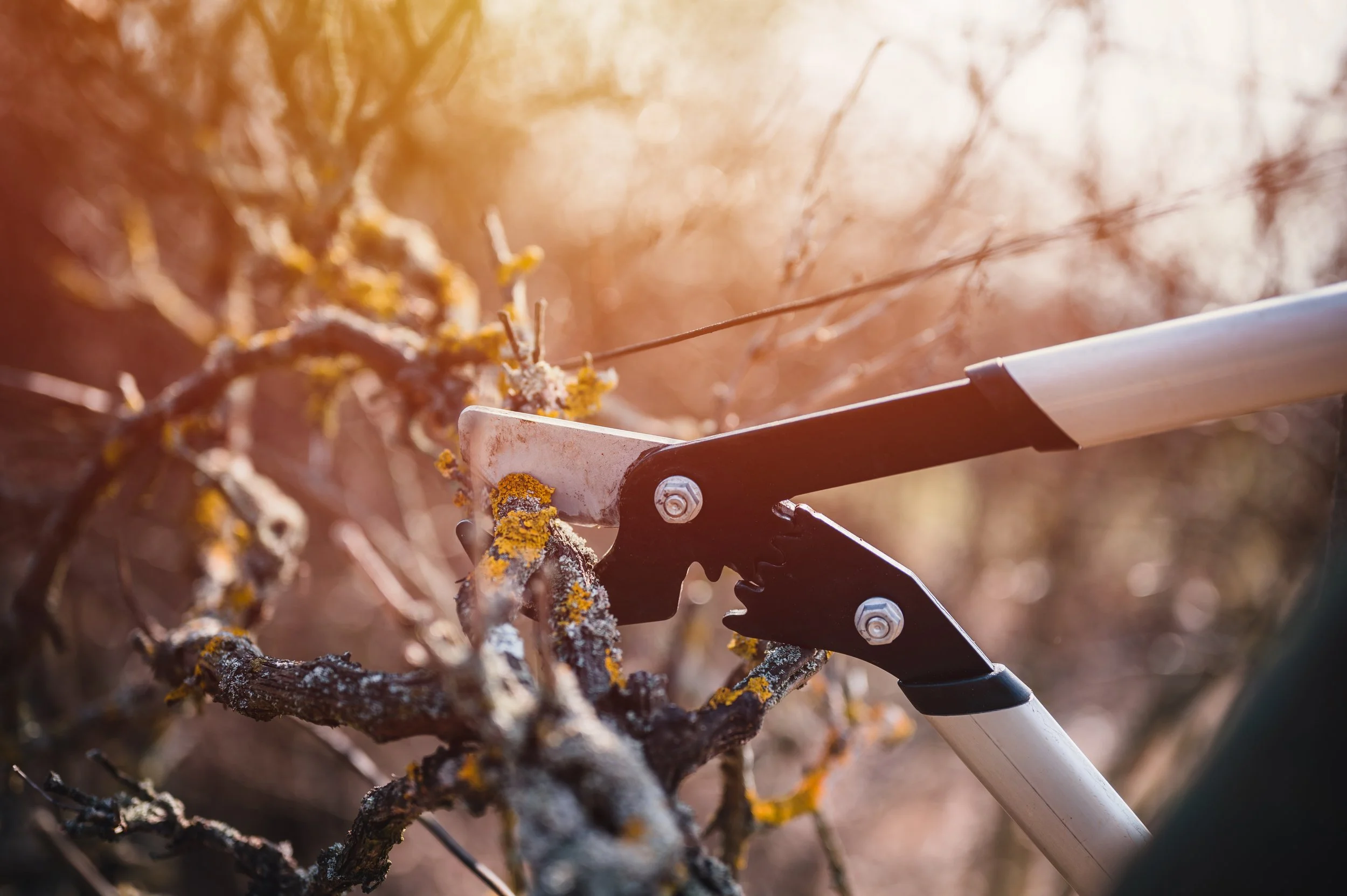
Use the Right Tools
A clean cut is a healthy cut. Use:
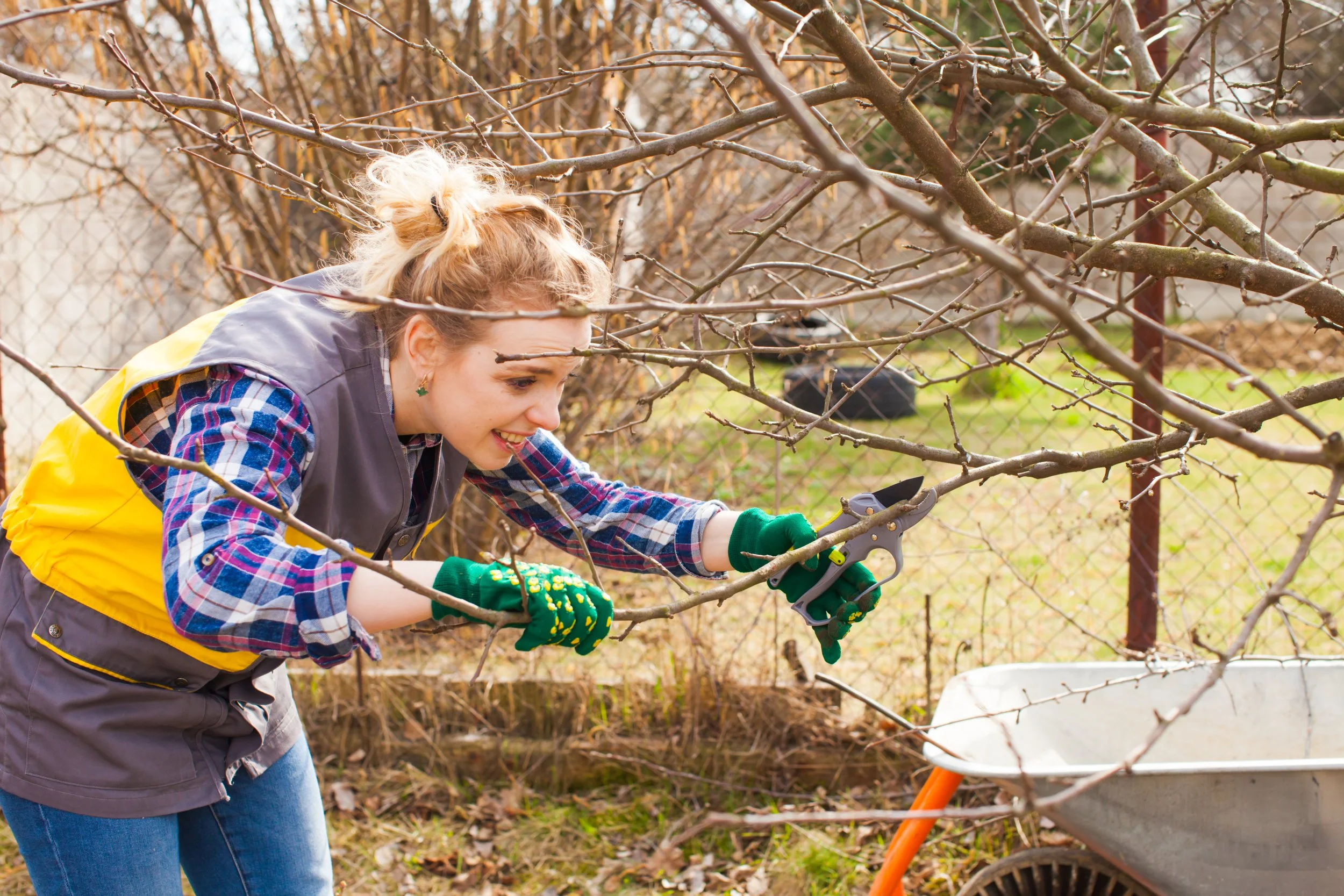
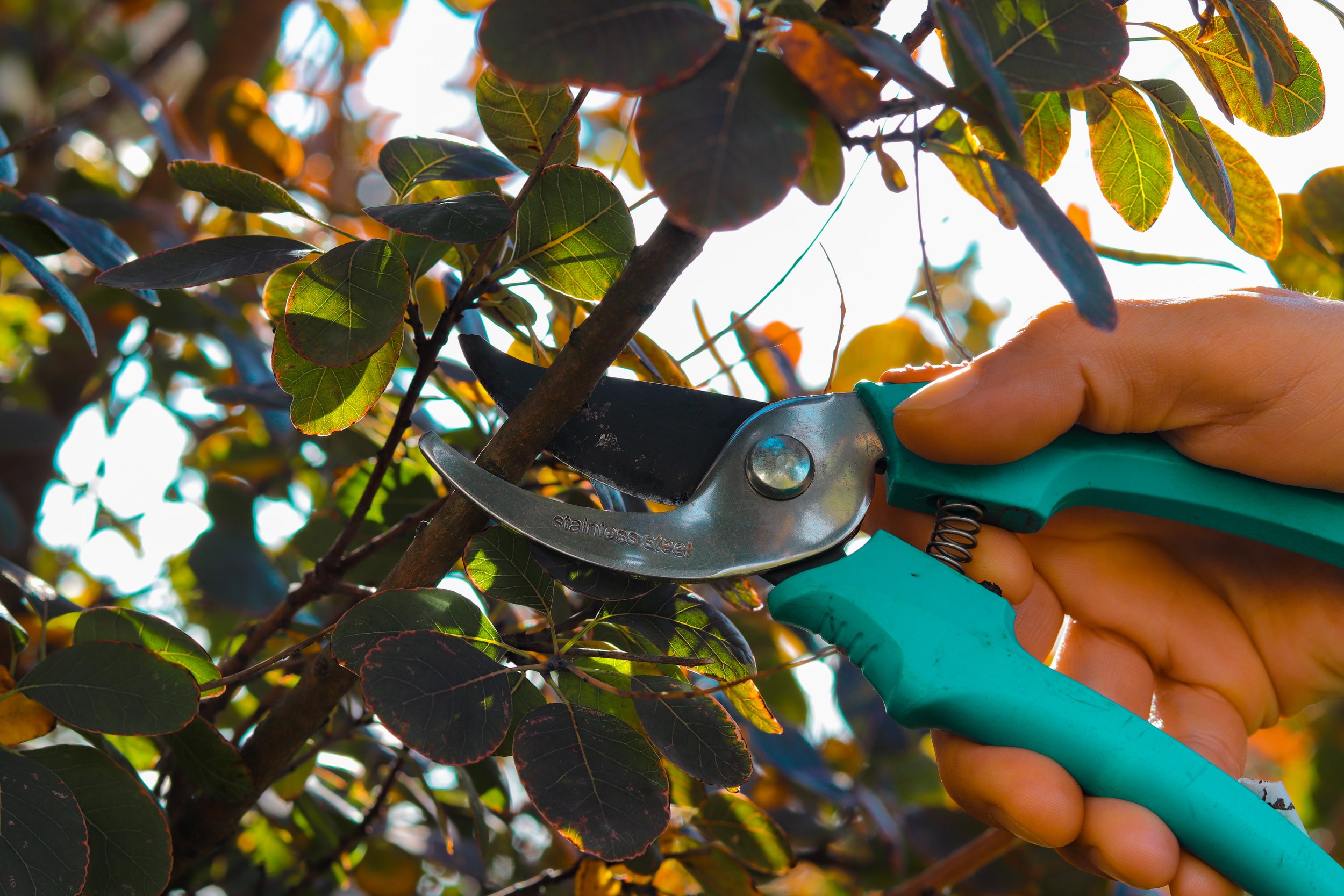
Sharp hand pruners
Loppers for medium branches
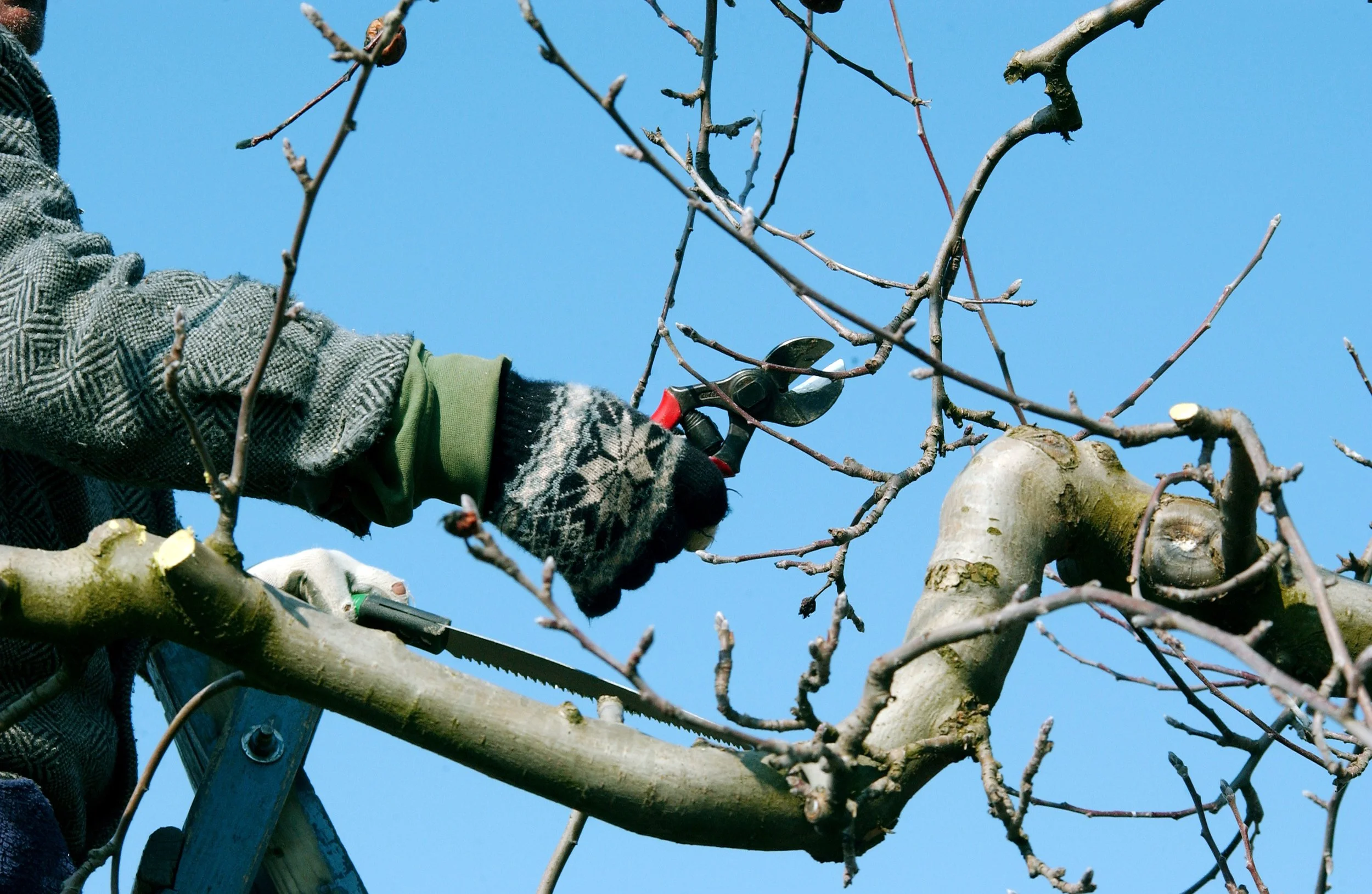
A pruning saw for larger limbs
Always sterilize tools between plants (especially when disease is present).
Make Proper Cuts
Cut back to a bud or just outside the branch collar
Don’t leave stubs — they invite decay and disease.
Angle Matters
Make cuts at a slight angle so water runs off the wound instead of pooling. This reduces rot and promotes better healing.
Winter Pruning Recap
Here’s the short version:
✅ Late winter (Feb–Mar) = best for most pruning
✅ Prune dormant trees and summer bloomers
❌ Avoid deep freezes
❌ Don’t prune spring bloomers until after flowering
✅ Remove dead, diseased, damaged limbs first
✅ Thin growth for airflow and light
✅ Clean tools + proper cuts = healthier trees
Need Help Pruning? Wildman’s Tree Service Has You Covered
Winter pruning is one of the best ways to protect your property, reduce storm risks, and make sure your trees thrive in spring—but only if it’s done correctly.
At Wild Man’s Tree Service, we specialize in professional pruning that improves:
Safety and limb strength
Tree structure and growth
Long-term health
Flowering and fruiting potential
📞 Call us today to schedule winter pruning and get your trees spring-ready. 303-943-7567