Wild Man’s July Tree Guide: Beat the Heat, Stop the Beetles, and Spot Stealth Invaders
July has officially arrived along the Front Range, bringing scorching temperatures and bone-dry soil. While we are busy cranking up our AC units, our trees are working overtime just to survive.
Mid-summer is a critical bottleneck for tree health. Between intense water deficits and peak insect flight seasons, what you do for your trees this month determines whether they thrive or dive.
Here are the three biggest things happening in the canopy right now—and exactly how you can protect your property.
1. Defeating the "Summer Heat Deficit"
Most homeowners assume that if their lawn looks green, their trees are getting plenty of water. Unfortunately, standard lawn sprinklers only soak the top couple inches of soil—perfect for grass roots, but a drop in the bucket for trees. Mature tree roots drink from a foot or more beneath the surface.
To keep your trees from drying out, you need to think about Deep Root Watering and proper insulation.
The Water Math: Young or newly planted trees need roughly 10 gallons of water per inch of trunk diameter each week. Mature giants (10"+ in diameter) require closer to 15 gallons per inch.
The Location: Don't spray the trunk! Soak the entire area under the tree's branch canopy (known as the dripline). This is where the active, water-absorbing roots live.
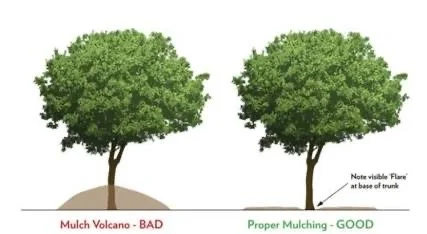
The Mulch Fix: Think of organic mulch as a protective blanket keeping the soil cool. Aim for a ring 3 to 4 inches deep across the root zone. But beware of the "mulch volcano"—never pile it against the bark. Keep it pulled back a few inches from the tree's flared base to avoid rot and insect nesting.
2. Mid-Summer Beetle Alert: Mountain Pine & Ips Beetles
If you have evergreens on your property, July is the most dangerous month of the year. We are officially in peak flight season for destructive bark beetles like the Mountain Pine Beetle and Ips Beetle. Adult beetles are actively emerging right now, taking flight to find new trees to attack.
Because beetles target stressed, dehydrated trees, keeping your pines well-watered is your absolute best first line of defense. A hydrated tree can actually produce enough sap to "pitch out" and drown invading beetles before they lay eggs.
Keep a sharp eye out for these telltale signs of an active attack:
Pitch Tubes: Small, popcorn-looking globs of white or pinkish sap on the trunk where a beetle tried to drill inside.
Boring Dust: Fine, reddish-brown sawdust caught in the cracks of the bark or accumulating right at the base of the tree.
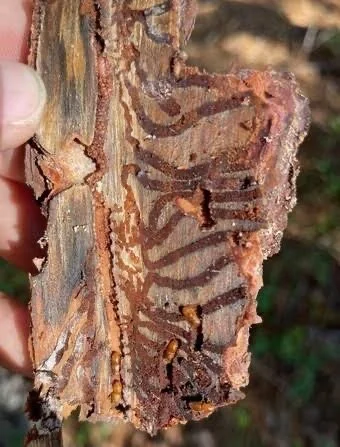
Pro Tip: Once beetles successfully establish tunnels (galleries) under the bark, systemic damage happens fast. Preventive spraying or pheromone treatments applied right now are vital to stopping them before they start.
3. Spotting the Stealth Invaders: EAB & Scale Pests
While beetles are attacking the pines, deciduous trees are facing their own silent battles. By mid-July, hidden insect damage becomes highly visible in the leaves and branches.
Emerald Ash Borer (EAB)
Our local ash trees are showing their true health right now. Look up at your canopy—is the top third thinning out, losing leaves, or looking bare? Are there random, leafy sprouts shooting straight out of the lower trunk? These are classic signs of structural stress caused by EAB larvae disrupting the tree's water lines. Keep an eye out for tiny, distinct D-shaped exit holes in the bark.
Oystershell Scale & Aphids
Have you noticed your driveway, deck, or car covered in a sticky, sap-like residue lately? It isn't the tree leaking sap—it's honeydew, a waste product created by thousands of sap-sucking insects actively draining your tree.
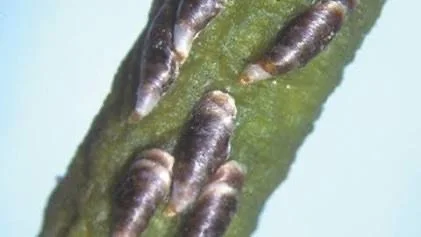
Pests like Oystershell Scale attach themselves to branches, looking like tiny, gray oyster shells clustered tightly against the bark. Left unchecked, that sticky honeydew will quickly grow an ugly, black fungus called sooty mold, which coats the leaves and blocks out the sunlight your tree needs to make food.
Let the Wild Man Team Take a Look!
Catching a pest infestation or extreme drought stress early can mean the difference between a simple treatment and a costly tree removal.
If you've noticed thinning canopies, sticky sap, boring dust, or you just want to set up a professional deep-root watering or preventative treatment plan to get your property through the dog days of summer, give Wild Man’s Tree Service a call today! We'll keep your canopy safe, healthy, and beautiful all summer long.